few clouds 13.3°C
 English
 Česky
Česky Deutsch
 Русский
Tourist Attractions
Teplá Monastery
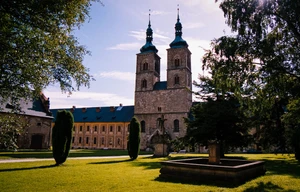
The Premonstratensian Monastery of Teplá was founded in 1193 by the Squire Hroznata, a Czech nobleman. It is arguably the most important monastery in West Bohemia.
Mark
The Colonnade
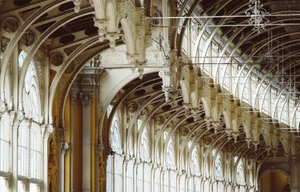
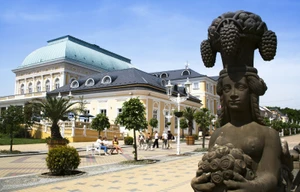
The famous Colonnade is one of the most instantly recognisable symbols of Mariánské Lázně.
Mark
Natural Park at the Prelát Spring
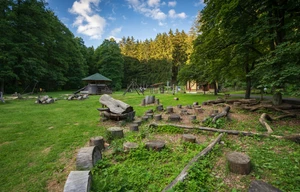
The park at Prelát Spring has many activities, especially for children. Here you can have a barbecue or try the zip wire, climbing frames, water attractions and other fun things to do.
Mark
Park Boheminium
Park Boheminium is an educational and leisure area on the eastern edge of Mariánské Lázně featuring detailed models (1:25 scale) of the most important historical buildings and technical monuments in the Czech Republic.
Mark
Kladská Peat Bog
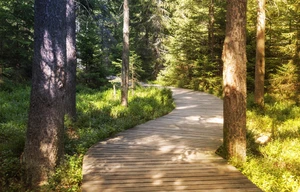
One of the most beautiful places in the Cheb District is Kladská Lake and its Hunting Lodge, located in one of the most significant locations within the Slavovský Forest Protected Landscape Area.
Mark
Three Crosses - Tři Křížky
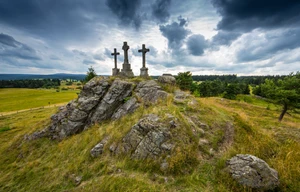
The three crosses were erected here as a symbol of gratitude by spa patient who had been cured of their ailment in 1859. Endemite cerastium alsinifolium grows here, a plant not found anywhere else in the world. For this reason, entrance into the territory of the reservation is strictly prohibited.
Chopin House Galleries
The Chopin House Gallery, located in the historic front wing of the Chopin House, offers visitors a unique experience connected with art and culture.

Františkovy Lázně
Františkovy Lázně is the smallest of the towns in the West Bohemian spa triangle puts packs in a lot of charm.
Kynžvart Springs Trail
This educational trail leads visitors to four different springs: Jezevčí, Kančí, Liščí I and Liščí II. The trail starts around 1km from Kynžvart spa.
Barren Hill - Planý vrch
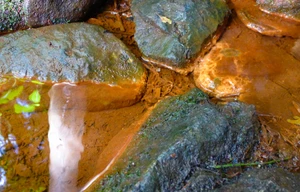
This is a natural pine growth area on the southeast slope of Planý Hill with exposed serpentinite rock formations, partly interrupted by a small extinct rock quarry covered by a rare botanical community.
SOOS Educational Trail
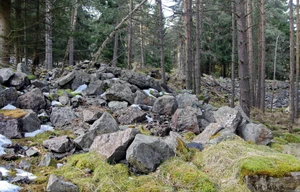
The shallow basin between the Vonšovský and Sooský Creeks (at the Nový Drahov train station, 6 km from Františkové Lázně) is divided by a mound of silicious sand into two parts.
Hamelika Lookout Tower
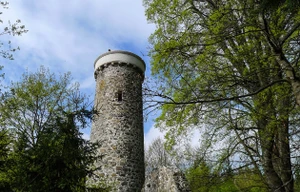
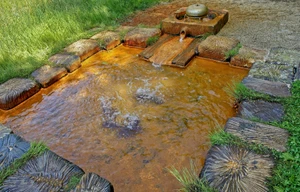
This tower was named after Hamelika Hill on which it stands.